Hiking in Antioquia: top trails, route guide and the mythical Cerro Tusa climb
by Valentina Restrepo6 min read
In short
Antioquia's vertical geography makes it one of South America's premier alpine hiking regions, offering family walks to technical scrambles.
The southwestern highlands (Suroeste) preserve centuries-old stone mule tracks carved by pre-Columbian Zenúfanas and coffee muleteers.
Conquering Cerro Tusa is the region's ultimate mountaineering test: a 600-meter vertical rise featuring steep 70% gradients.
La Juana Cerro Tusa in Venecia serves as the ultimate luxury recovery base with private pool, heated jacuzzi, and steam bath.
Few destinations in the Americas offer a terrain as uniquely thrilling for trekkers as the department of Antioquia. Carved by the central and western cordilleras of the Colombian Andes, this highland territory is an intricate vertical labyrinth of deep river canyons, emerald cloud forests, and knife-edge mountain ridges that for centuries were accessible solely on foot or by mule.
Hiking in Antioquia is not merely a modern sport; it is an intimate encounter with living history. Walking these ancient paths traces the footsteps of pre-Columbian indigenous traders and the resolute 19th-century muleteers («arrieros») who carved out Colombia's mountain towns. From tranquil strolls through shade-grown coffee groves to technical alpine scrambles, Antioquia rewards hikers of every level.
1. Trail classification: choosing your adventure level
To plan a rewarding and safe hike in the Colombian Andes, routes are typically classified across three main categories:
Levels 1 & 2: Gentle nature strolls and scenic walks
Profile: Elevation gain under 200 meters (650 ft), wide dirt tracks or cobblestone lanes, duration of 1 to 3 hours.
Top Picks: Heritage trails inside Parque Comfama Cerro Tusa, local walking paths around La Juana's coffee hills, and the historical mural walk in Venecia.
Audience: Families with children, seniors, and photographers seeking relaxed immersion in nature.
Levels 3 & 4: Intermediate mountain hikes
Profile: Elevation gain between 300 and 600 meters, occasional stream crossings, unpaved terrain, duration of 4 to 6 hours.
Top Picks: Trekking to the archaeological Offering Altar at the base of Cerro Tusa, heritage mule paths connecting Venecia and Fredonia, and waterfall routes in Jericó.
Level 5: Strenuous technical mountaineering
Profile: Sustained gradients exceeding 65%, hands-on scrambling across exposed volcanic rock, steep descent, mandatory certified guiding.
Signature Trek: The iconic vertical ascent to the summit of Cerro Tusa.
Steep rocky ridges of natural pyramid seen from technical mountain hiking trail
2. The sacred summit: scaling Cerro Tusa
Climbing Cerro Tusa in Venecia is widely regarded as the premier mountaineering achievement in western Colombia. While its summit altitude of 1,950 meters (6,400 feet) does not cause altitude sickness, its true challenge lies in relentless, unbroken steepness:
Vertical Gain: 600 meters (nearly 2,000 feet) in under 3 horizontal kilometers of trail.
Trail Surface: Rich Andean soil woven with tree roots, volcanic basalt steps, and upper pitches requiring three points of contact.
Trail Milestones: Passing through lush premontane forest, discovering pre-Columbian petroglyphs, reaching the pyramid shoulder, and traversing the summit ridge to the summit cross.
The Summit Reward: A flawless 360-degree panorama over the Western Cordillera, the Cauca River canyon, Cerro Bravo, and Farallones del Citará.
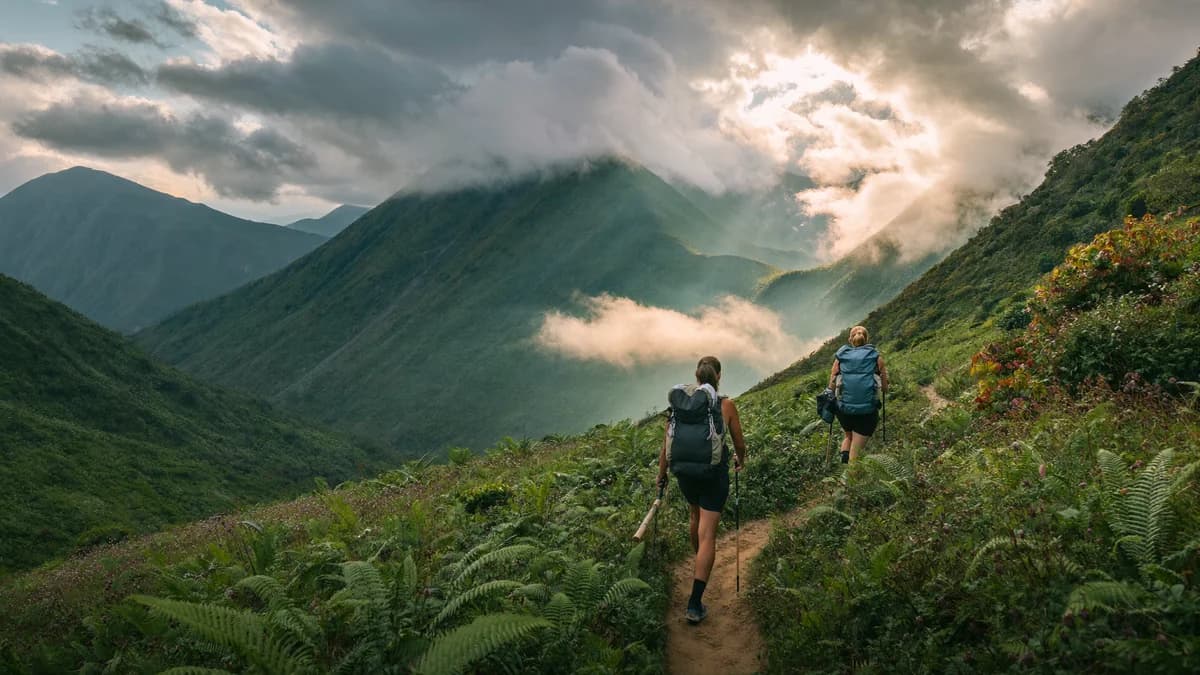
Hikers traversing historical coffee mule trails in Suroeste Antioquia
3. Waterfalls and mountain rivers in the Suroeste
Pure mountain water is an inseparable part of hiking in Antioquia. Rushing streams descending from highland peaks form pristine plunge pools and hidden waterfalls:
Sinifaná River Canyon: Scenic riverside trails tracing former rail beds of the historic Antioquia Railway, winding past secluded forest cascades.
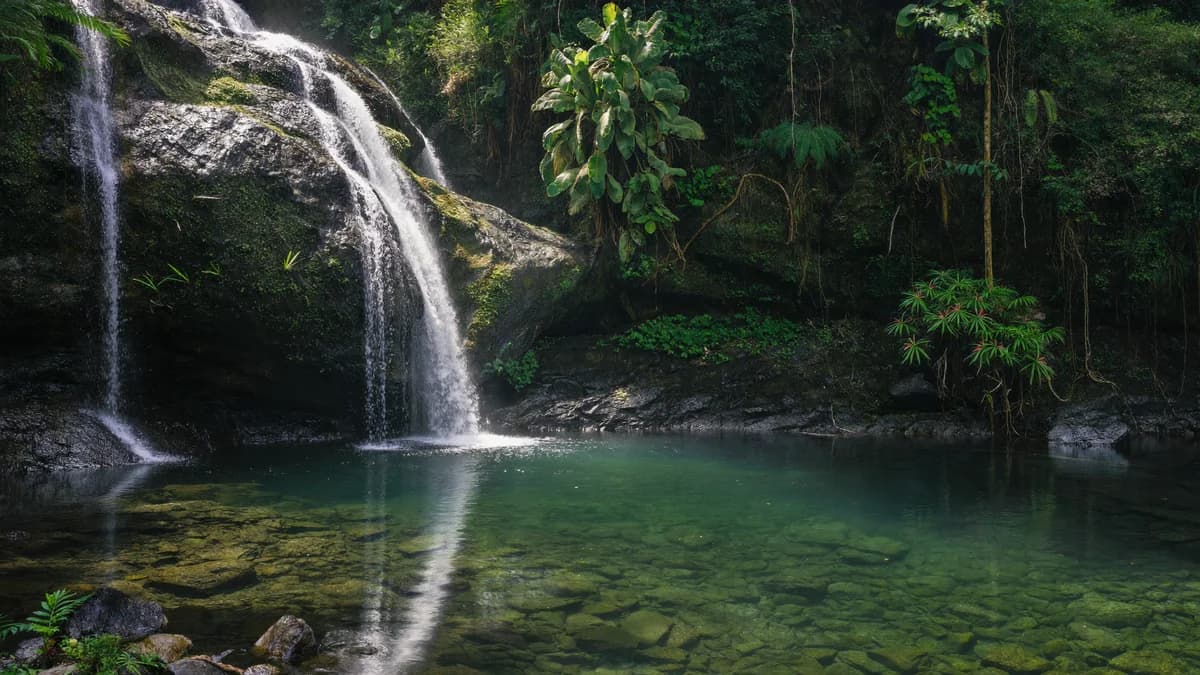
Natural Basalt Pools in Venecia: Crystalline mountain pools carved into volcanic rock, ideal for refreshing cold-water plunges after a morning trek.
Shaded Coffee Creek Trails: Paths framed by banana trees and giant native palms where cold mountain springs supply traditional rural fincas.
4. The ultimate recovery base: La Juana Cerro Tusa
Any serious hiker knows that recovery is just as vital as the climb itself. Finishing a demanding five-hour alpine scramble only to face a three-hour bumpy drive back to the city negates the restorative benefits of the mountains.
La Juana Cerro Tusa was designed as the premier luxury base camp for trekkers:
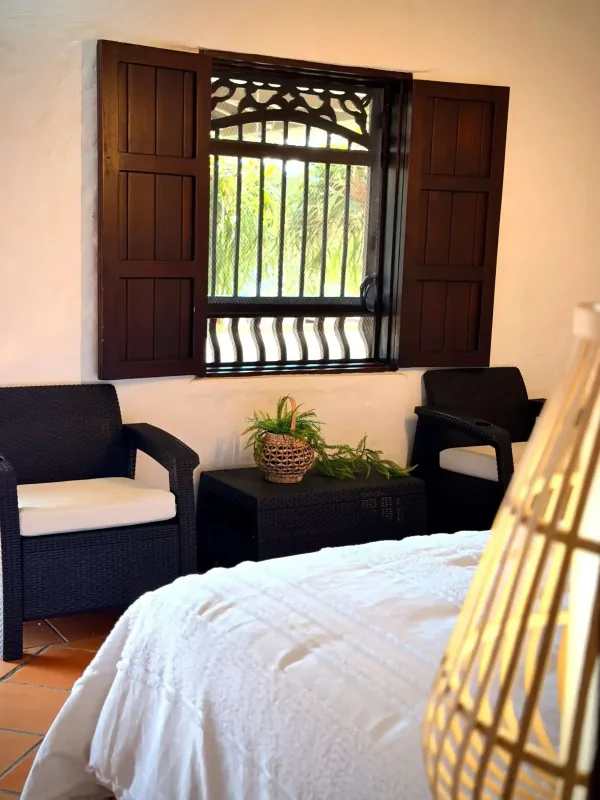
Post-Hike Hydrotherapy: Soak tired leg muscles in the heated outdoor jacuzzi facing mountain views, followed by therapeutic steam in the private steam room.
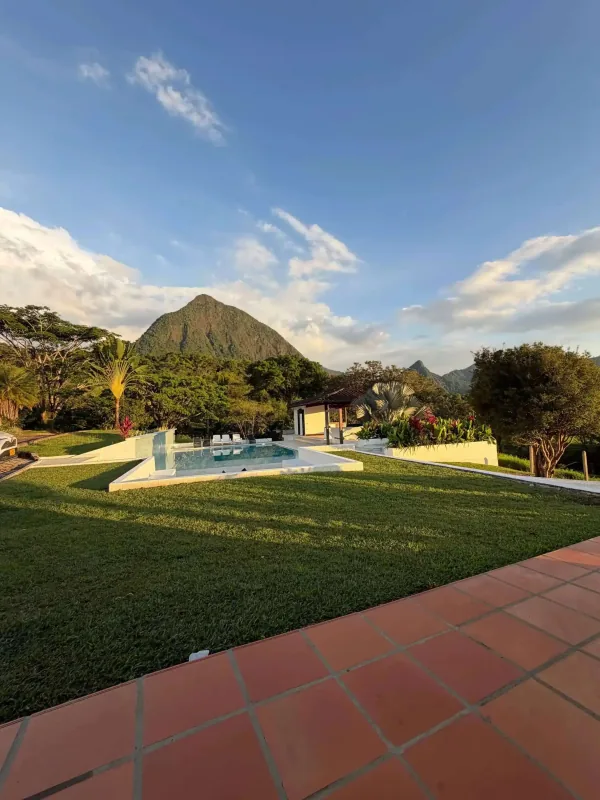
Panoramic Pool: A refreshing swim overlooking the very pyramid peak you conquered just hours earlier.
Home-Cooked Nutrition: In-house cooks prepare comforting Colombian broths, farm-fresh proteins, and vibrant salads ready upon your return from the trail.
Trekking boots and topographic mountain trail map of Antioquia
Group Rates and Trekking Concierge
La Juana Cerro Tusa is reserved exclusively at a flat rate of COP 2,800,000 per night for up to 16 guests across 6 suites with 8 beds and 6 bathrooms.
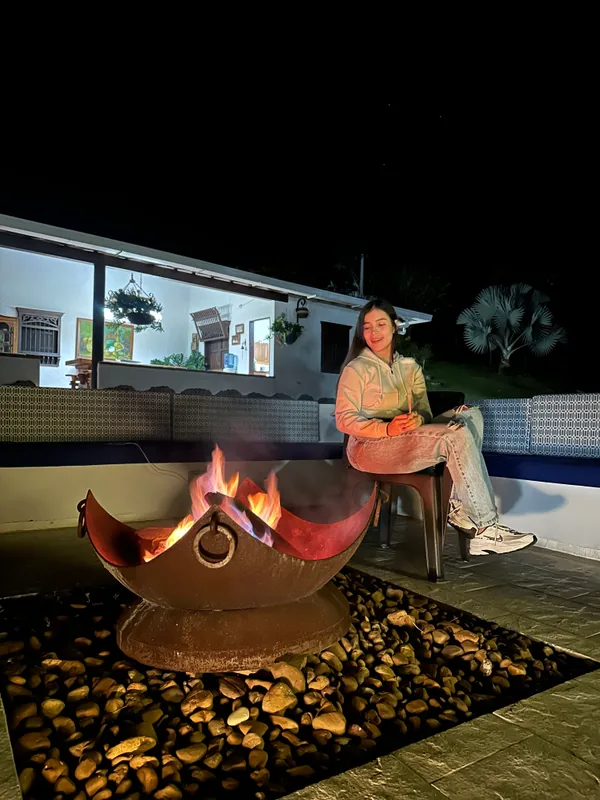
Your booking includes private access to pool, heated jacuzzi, steam room, fire pit, parking, and full house staff (1 butler and 2 housekeepers). Certified alpine guides for the Cerro Tusa summit are coordinated directly with our local partners at Al Parche Venecia.
Leave No Trace Trail Etiquette
Pack Out All Trash: Including fruit peels and food scraps that disrupt native wildlife.
Stay on Marked Paths: Cutting switchbacks causes severe erosion on fragile mountain slopes.
Protect Heritage: Never remove wild orchids or deface ancient rock petroglyphs.
Hire Certified Local Guides: Ensures your safety and directly supports rural families in Venecia.
Mountain Equipment Checklist for Andean Terrains
Preparing properly for steep mountain trails across Antioquia ensures both safety and comfort throughout every hike:
Footwear: Sturdy trail-running shoes or ankle-high trekking boots with aggressive Vibram or rubber lugs provide crucial grip on slippery clay soils and steep rocky slopes.
Trekking Poles: Adjustable trekking poles are indispensable for saving knees during steep descents, especially when tackling the 60-to-75% gradients of Cerro Tusa’s access paths.
Hydration Systems: Carry at least 2.5 to 3 liters of water per hiker in a hydration bladder or insulated flasks, supplemented by electrolyte tablets to counteract tropical perspiration.
Breathable Sun Protection: Long-sleeve UPF 50+ athletic shirts, polarized sunglasses to reduce glare, wide-brimmed sun hats, and lightweight packable rain shells prepare hikers for the mountain’s quick meteorological shifts.
Key Takeaways
Hiking in Antioquia is a revitalizing adventure that challenges the body and inspires the spirit. Having Cerro Tusa as your compass and a private luxury estate as your recovery sanctuary turns every trail into an unforgettable milestone. Check calendar availability in our rooms and accommodations overview or message us via WhatsApp for customized trail guidance based on your group's fitness level.
Frequently asked questions
The Cerro Tusa summit scramble in Venecia, ancient stone mule tracks in Támesis, river canyon trails in Jericó, and high-alpine treks toward Farallones del Citará.
Direct Inquiry
Planning your stay at Cerro Tusa?
Inquire directly with our team for exclusive rates and availability with no middlemen.
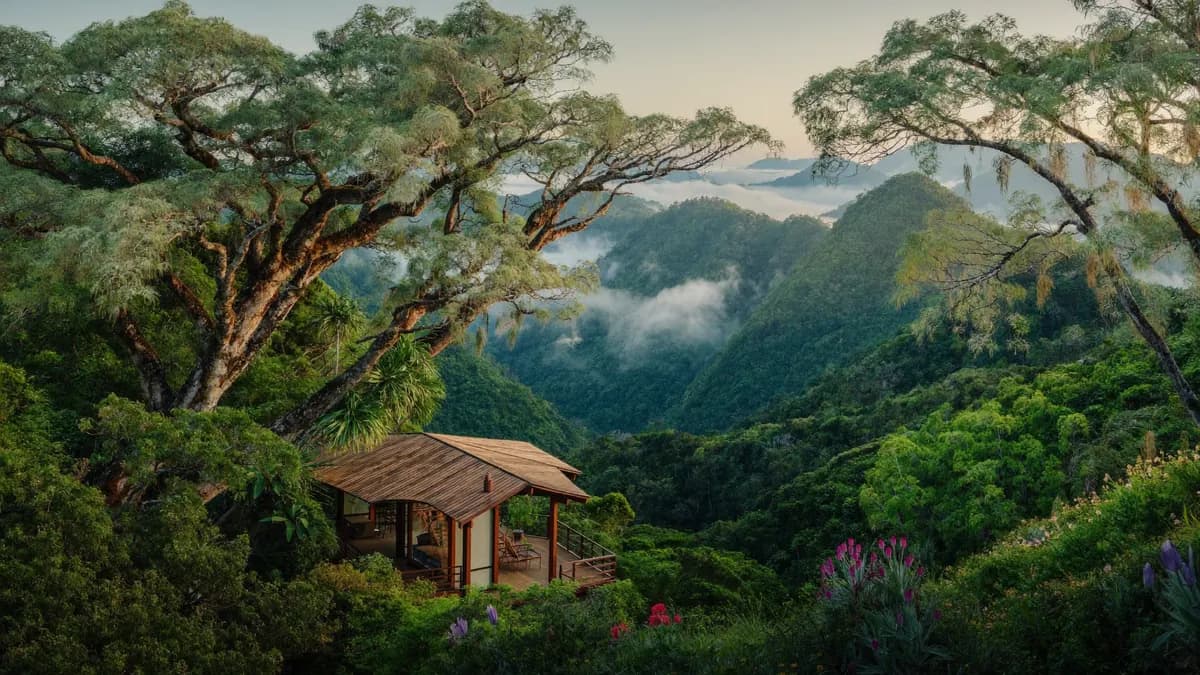
 Steep rocky ridges of natural pyramid seen from technical mountain hiking trail
 Hikers traversing historical coffee mule trails in Suroeste Antioquia
 Trekking boots and topographic mountain trail map of Antioquia